

Christopher Smyth, Ph.D.
Science Educator, Mycologist and Marine Biologist
Science Educator, Mycologist and Marine Biologist

I am a science educator, mycologist and marine biologist focused on undergraduate teaching, research, and experiential learning. I fundamentally believe in the importance of hands-on and immersive experiences to prepare students for their future careers.
My work sits at the intersection of biological research and undergraduate education. I teach biology in the classroom, laboratory, field, and online while developing research and course-based experiences that give undergraduates opportunities to engage in authentic scientific inquiry and hands-on learning.
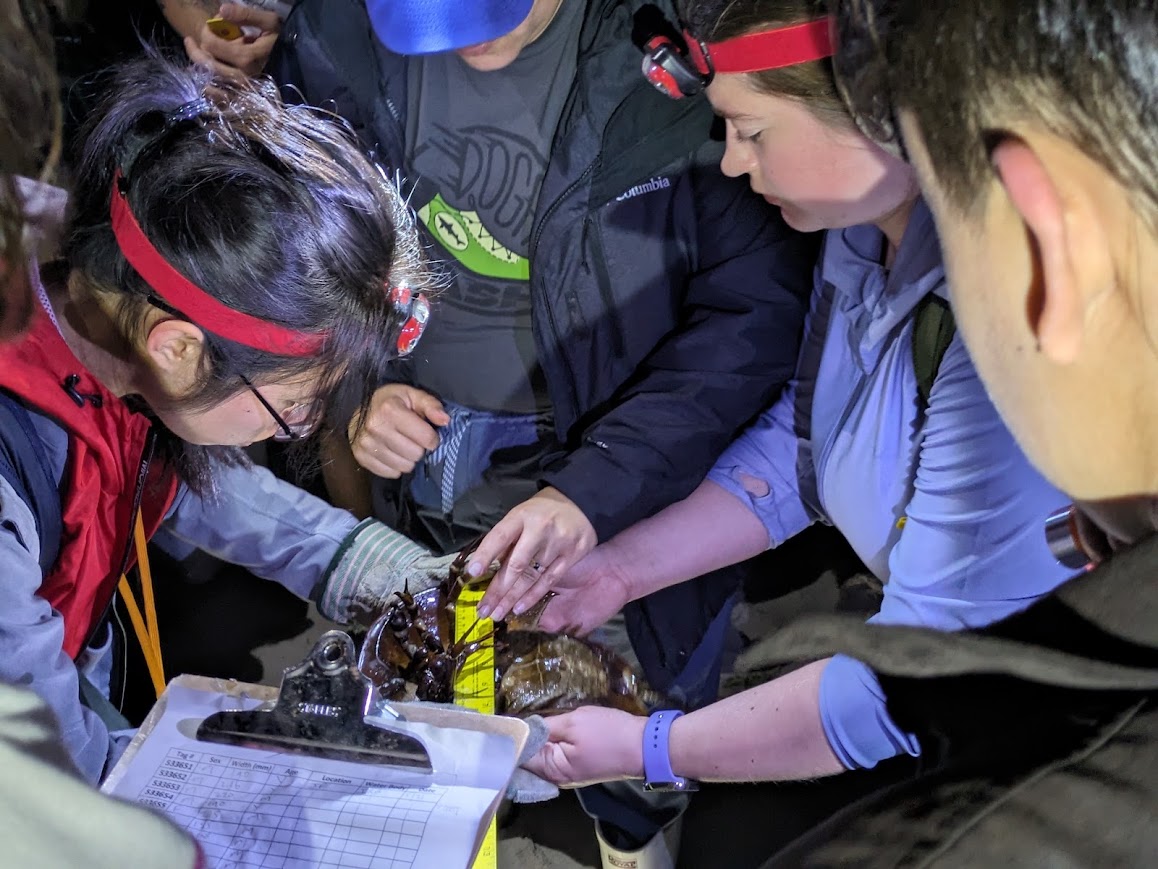
I teach because I am passionate about helping students achieve their personal and professional goals, but also because I want to cultivate the curiosity that is essential for lifelong learning. Students learn best when they are encouraged to look beyond the course content and begin asking their own questions about the natural world. Across introductory and upper-level courses, I use evidence-based approaches (including active learning, flipped classrooms, project-based learning, and scientific inquiry) to provide opportunities for all students to be active participants in the learning process. I am committed to designing and implementing laboratory and field experiences that allow students to develop hands-on skills in the biological sciences and pursue questions that peak their curiosity. Whether teaching introductory biology, mycology, or marine biology, I strive to create a classroom environment where students have the freedom and tools to explore their interests while developing as scientists. Ultimately, my goal is for students to leave my courses not only knowing more biology, but more curious about the world around them and more confident in their ability to investigate it.

My undergraduate research experience shaped the scientist I am today. As such, I believe research experiences are core components of undergraduate education, and should be accessible to all students. In my lab, undergraduates participate fully in the scientific process, from hypothesis development and grant writing all the way through data analysis to communication of findings.
Mycology is an ideal discipline for undergraduate research because of its adaptability. The ubiquity of Fungi means student projects can easily connect with their other interests, including physiology, ecology, conservation, agriculture, medicine, and beyond. The projects in my lab reflect the diverse interests of my students, and I am always open to new research ideas that align with areas of biology about which my students are curious.
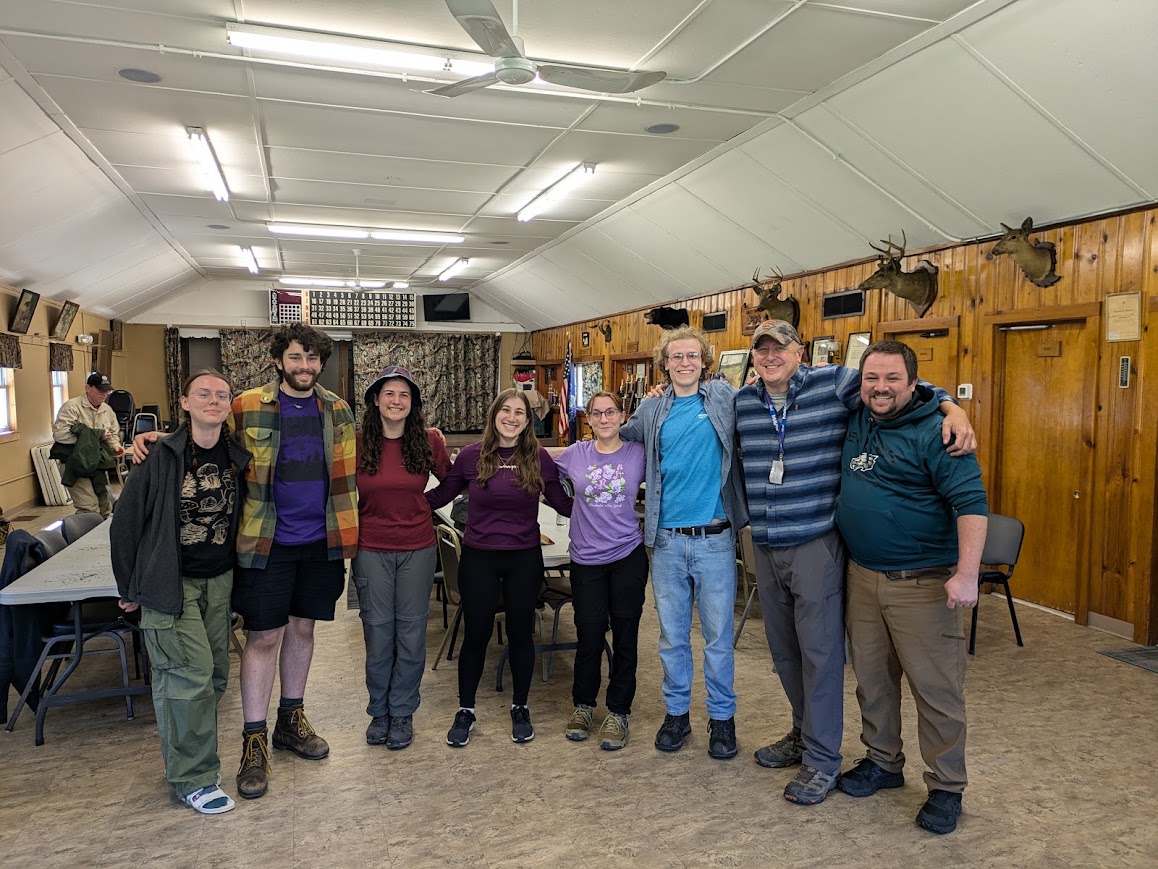
Mentorship is one of the most rewarding aspects of my career. I fundamentally enjoy creating opporrunities that challenge students to grow as future scientists, educators, and leaders. Through undergraduate research, the First-Year Research Immersion program and mentoring undergraduate teaching assistants, I support students as they take increasing ownership of their ideas and their work. I want students to develop the confidence to ask questions, solve problems, communicate their ideas, and see themselves as contributing members of the scientific community. By supporting students at different stages of their development, I hope to help them discover new directions, achieve their goals, and recognize the many paths a career in biology can take.